Industry
Beyond the Buzz: Rethinking the Journey of Self-Medicating with Cannabis for Holistic Healing
In recent years, the practice of self-medicating with cannabis has gained traction as more people search for alternative therapies to manage health issues. With the shift towards natural remedies, cannabis is often heralded for its potential to alleviate symptoms of stress and anxiety. But what does holistic healing with cannabis truly entail, and how does one balance potential benefits with inherent risks? This article delves into the nuanced journey of using cannabis as a self-treatment approach.
Understanding Holistic Healing and Self-Medication
Holistic healing emphasizes treating the whole person, including mind, body, and spirit. It supports the idea that physical health is deeply intertwined with emotional and psychological wellbeing. In this context, self-medicating with cannabis can be tempting, as many users report its efficacy in reducing anxiety and promoting relaxation. However, it’s important to approach this therapy with an informed mindset.
The Science Behind Cannabis Use for Stress and Anxiety
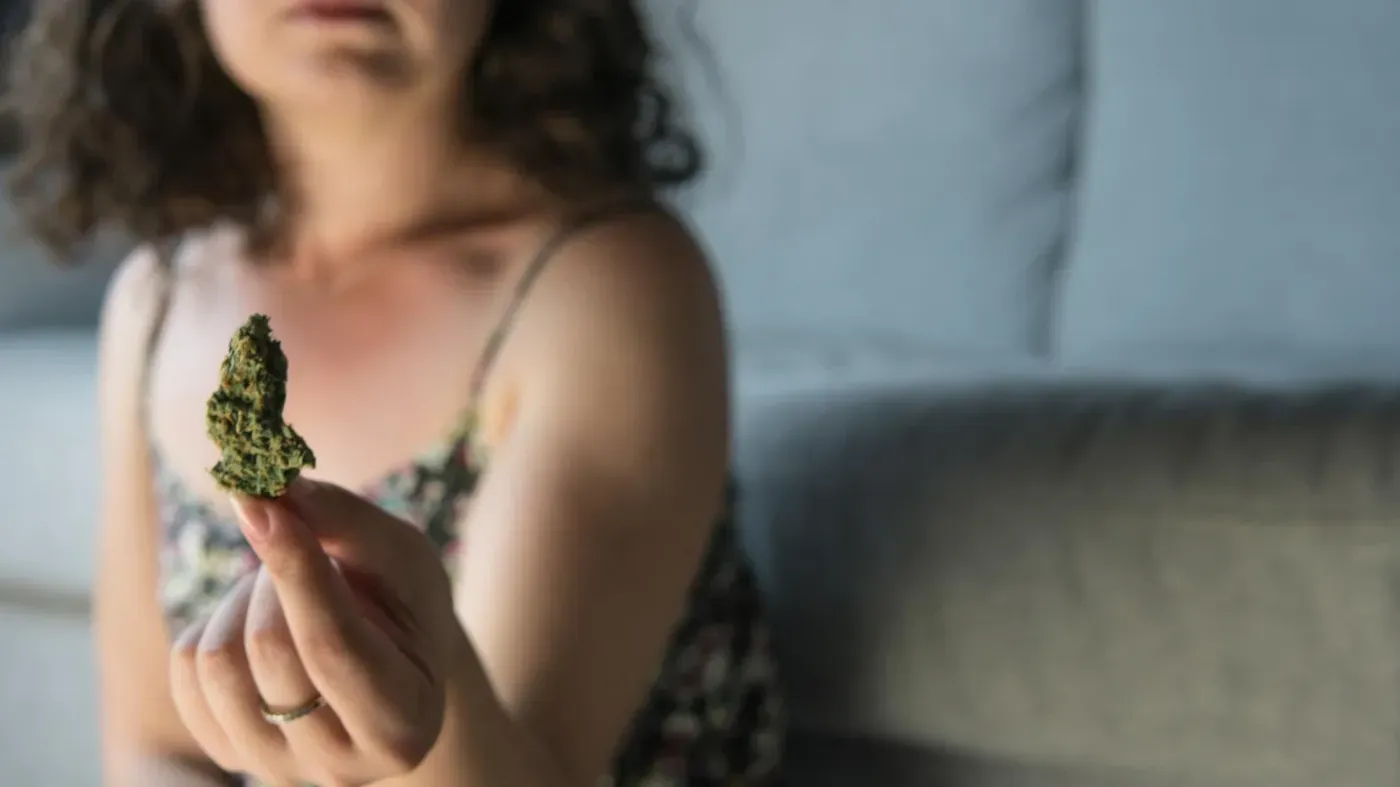
Cannabis contains numerous compounds called cannabinoids, the most well-known being THC and CBD. These interact with the body’s endocannabinoid system, which plays a vital role in regulating mood, sleep, and appetite. Research has shown that CBD may help reduce anxiety in some users, acting as a potential herbal anxiety remedy. However, THC’s psychoactive properties might exacerbate symptoms for certain individuals, highlighting the need for personalized approaches.
Practical Considerations and Legal Aspects
Before embarking on the journey of self-medication, it’s essential to understand the legal landscape surrounding cannabis use. Regulations can vary widely depending on your location, affecting who can legally consume cannabis and for what purposes. Checking local laws ensures compliance and promotes safe, informed use. Furthermore, visiting a clinic or consulting with health professionals, such as those linked through cannabis clinics, can provide guidance on appropriate strains and dosages, minimizing potential risks.
Integrating Cannabis into a Holistic Lifestyle
Self-medicating with cannabis should be viewed as one component of a larger holistic health strategy. Other aspects might include mindfulness practices, dietary changes, and physical activities that support overall wellness. By viewing cannabis use as part of a broader plan, individuals can effectively manage stress and anxiety while supporting their physical health.
Potential Risks and Ethical Considerations
While the benefits of self-medicating with cannabis are celebrated by some, it’s crucial to acknowledge potential risks. Psychological dependence and the impact on mental health are important considerations. Moreover, without proper medical advice, there’s a risk of overlooking underlying health issues that require conventional treatment. Ethical concerns also arise regarding self-diagnosis and the challenge of ensuring that self-medication isn’t masking more serious conditions.
Personal Stories and Community Support
Personal anecdotes can provide insight into how cannabis has helped individuals on their healing journeys. For many, connecting with communities either online or through support groups offers validation and shared experiences, fostering an environment where users can learn from each other. However, it’s important to remember that personal experiences vary widely, making it crucial for individuals to approach cannabis use with an open mind and a focus on safe practices.
What are the potential benefits and risks of self-medicating with cannabis?
Self-medicating with cannabis offers both potential benefits and risks, making it essential for individuals to weigh these factors carefully. On the positive side, cannabis is known for its ability to relieve symptoms of stress, anxiety, and chronic pain. The cannabinoids THC and CBD interact with the body’s endocannabinoid system, which can promote a sense of relaxation and well-being.
However, the risks associated with self-medication are significant. The psychoactive effects of THC, for example, can lead to increased anxiety and paranoia in some individuals, exacerbating the conditions cannabis is meant to alleviate. Additionally, without the guidance of a healthcare professional, there is the potential for misuse or overuse, which might lead to psychological dependence. Furthermore, individuals might inadvertently overlook other underlying medical conditions that require traditional medical interventions.
Can self-medicating with cannabis actually support holistic healing?
Self-medicating with cannabis can potentially support holistic healing when integrated thoughtfully into a broader wellness strategy. Holistic healing is about the totality of health, incorporating physical, mental, and spiritual dimensions. Cannabis may play a role in this by addressing physical symptoms such as pain and inflammation, while also impacting mental states through stress relief and mood regulation.
For effective holistic healing, however, reliance solely on cannabis is insufficient. It should be complemented with other practices such as meditation, yoga, and a balanced diet. For instance, combining daily mindfulness meditation with cannabis use might enhance its calming effects, while a nutrient-rich diet can optimize the body’s responses to cannabinoids. Thus, cannabis can be a component of holistic healing, but not the sole focus.
How can the journey of self-medication with cannabis be reimagined for holistic healing?
Reimagining the journey of self-medication with cannabis for holistic healing involves a paradigm shift from isolated use to an integrated wellness practice. This begins with education and an informed approach—understanding the different strains, the role of cannabinoids, and the potential interactions with other lifestyle choices is crucial.
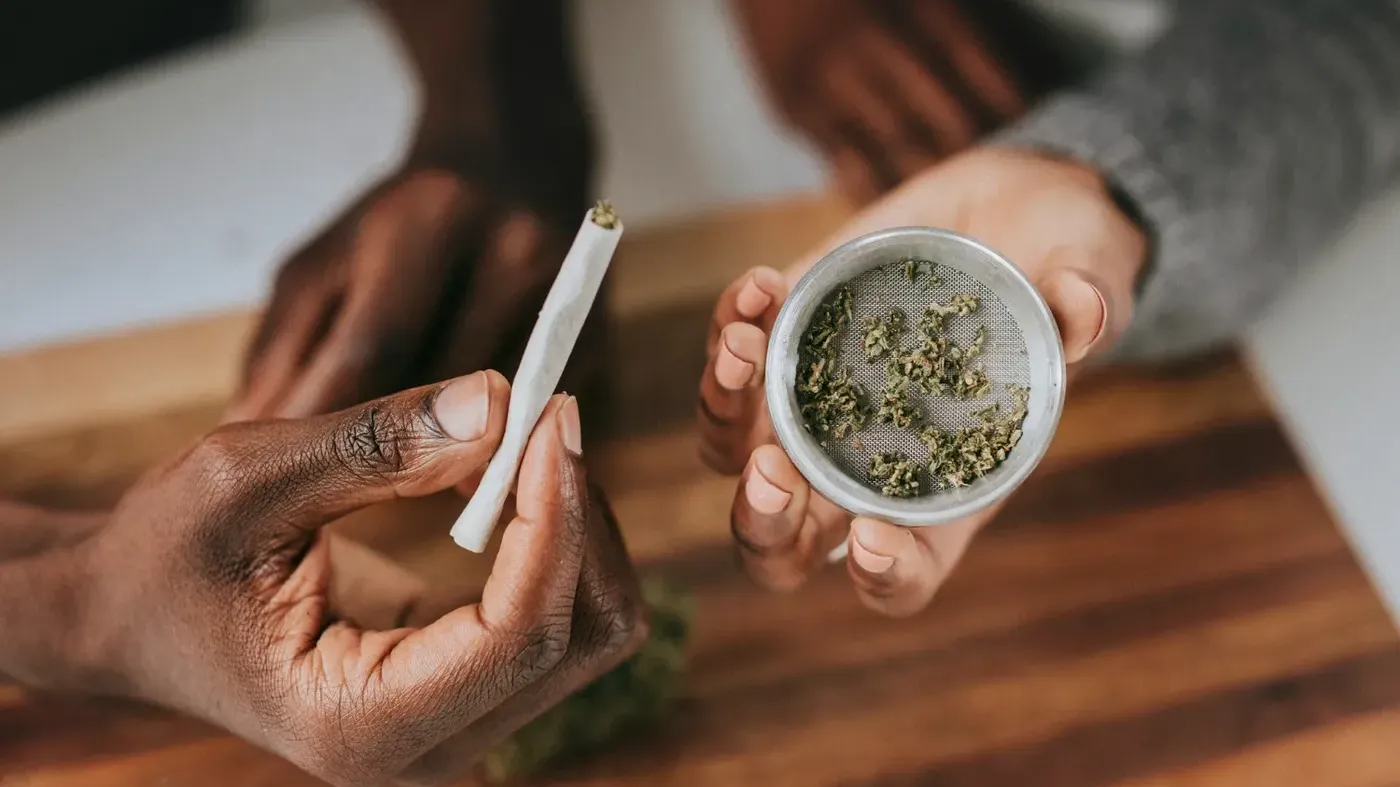
One effective strategy could be creating personalized wellness plans that incorporate cannabis alongside structured fitness regimens, nutritional advice, and mental health practices. Regular consultations with healthcare providers who understand both conventional and alternative medicine can guide adjustments and ensure balanced practices. Furthermore, utilizing technology, such as wellness apps or digital journals, can help individuals track their progress and adjust their holistic lifestyle plans accordingly.
Conclusion
Self-medicating with cannabis presents a unique opportunity for individuals seeking holistic healing, bridging traditional medicine with natural remedies. While cannabis holds promise for stress and anxiety relief, it’s vital to approach its use responsibly, considering both personal health needs and legal boundaries. By combining cannabis with other alternative therapies, individuals can embark on a holistic journey towards improved well-being, beyond just the buzz.