
Industry
Decoding Relief: How to Master Medicinal Cannabis Strain Selection for Personalized Healing
As the world of alternative medicine grows, medical cannabis strain selection has emerged as a promising option for personalized healing. The challenge of medicinal cannabis strain selection is akin to finding a key for a lock with many tumblers, as it requires understanding how different strains work, assessing individual needs and exploring cannabinoid profiling. This journey is not just about identifying a therapeutic plant variety but also embracing holistic herbal remedies to enhance one’s quality of life.
Who Benefits from Medicinal Cannabis?
Medicinal cannabis is beneficial for a wide array of individuals, ranging from those with chronic pain to patients experiencing anxiety, insomnia or even gastrointestinal issues. For these patients, selecting the right strain of cannabis is crucial for obtaining relief. Medical professionals and cannabis clinics often offer invaluable guidance, helping patients understand how different phytochemical compositions might impact their symptoms.
What are Medicinal Cannabis Strains?
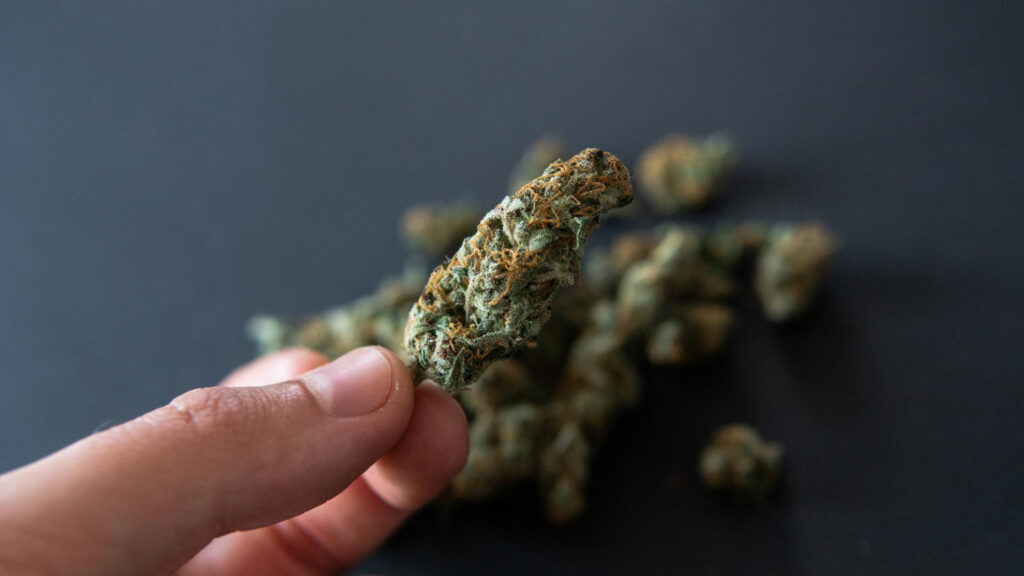
Medicinal cannabis strains are specific varieties of the cannabis plant defined by their cannabinoid and terpene profiles. These strains differ in their concentration of cannabinoids like THC and CBD, which are responsible for the plant’s therapeutic effects. Understanding the phytochemical composition analysis of each strain is essential for selecting one that aligns with personal health needs and goals.
When Can Medicinal Cannabis Be Used?
The timing of medicinal cannabis use depends largely on an individual’s condition and lifestyle. Patients dealing with chronic pain might benefit from strains taken in regular intervals, while those using cannabis for sleep may choose to consume it in the evening. Consulting with a healthcare professional can help tailor the timing for maximum therapeutic benefit.
Where Can You Source Medicinal Cannabis Strains?
Medicinal cannabis strains can be obtained from licensed dispensaries and clinics, where products are vetted for quality and safety. Reliable sources often provide detailed information about the strains’ cannabinoid profiling and terpene content, ensuring that patients receive consistent and effective products. Visiting a cannabis clinic can also offer the chance to consult with specialists knowledgeable about holistic herbal remedies.
Why is Strain Selection Important?
The importance of selecting the right cannabis strain cannot be overstated as it directly impacts the treatment’s efficacy. A strain that works for pain relief might not be suitable for someone needing help with anxiety. This is why conducting thorough research and understanding personal health requirements is paramount. Tailored strain selection empowers individuals, allowing for a more personalized and effective healing journey.
How to Select the Right Medicinal Cannabis Strain
Mastering medicinal cannabis strain selection involves several key steps:
- Research Strain Profiles: Learn about different strains and their cannabinoid and terpene compositions. Consider common effects as a baseline, but be aware that individual experiences can vary.
- Assess Personal Needs: Identify what you are seeking relief from and consider any external factors such as lifestyle and concurrent health issues.
- Consult Professionals: Engage with healthcare providers or specialists from cannabis clinics who can offer insights based on your medical history and specific needs.
- Start Low and Go Slow: Begin with a small dosage and gradually increase until the desired effect is achieved. This cautious approach helps mitigate any potential negative side effects.
- Document Your Experience: Keep a journal of your reactions to different strains, noting the relief provided and any side effects experienced. This documentation can be invaluable for refining your choices over time.
What factors should I consider when selecting a medicinal cannabis strain for healing purposes?
When selecting a medicinal cannabis strain for healing, several factors need careful consideration to ensure efficacy and safety. First, understanding the specific health condition you aim to treat is paramount. Each strain has a unique combination of cannabinoids and terpenes that may affect conditions like chronic pain, anxiety or sleep disorders differently. For instance, Indica strains are often preferred for relaxation and pain relief, while Sativa strains can be more energizing and better suited for daytime use.
Another vital factor is the cannabinoid profile, which consists of compounds like THC and CBD. THC is known for its psychoactive effects and pain-relieving properties, while CBD is non-psychoactive and praised for its anti-inflammatory and anti-anxiety benefits. A balanced strain with a moderate THC to CBD ratio might offer therapeutic benefits without significant psychoactive effects, making it suitable for daytime use for certain patients.
Apart from cannabinoids, terpenes—the aromatic compounds in cannabis—also play a significant role. Terpenes like myrcene, limonene and linalool contribute to the therapeutic effects and can influence the strain’s overall impact. Consulting with a healthcare professional can provide additional insights, especially regarding potential interactions with other medications or conditions.
How can different strains of medicinal cannabis affect my health differently?
Different strains of medicinal cannabis can affect health uniquely due to their varied chemical compositions. Typically, these effects are categorized based on their dominant cannabinoid—THC or CBD. Strains with higher THC levels might provide significant pain relief and euphoria but also carry potential side effects like anxiety or increased heart rate in some users. In contrast, CBD-dominant strains are often preferred for their calming and non-intoxicating effects, making them ideal for managing anxiety, depression or inflammatory conditions.
Terpenes also significantly influence how a strain will affect an individual. For example, the terpene limonene, found in many Sativa strains, can elevate mood and provide stress relief, enhancing mental clarity and focus. Meanwhile, linalool, a terpene prevalent in many Indica strains, contributes to sedation and pain relief, potentially enhancing sleep and calming nerves.
Moreover, the method of cannabis consumption—such as smoking, vaping or using edibles—can also modify the experience and efficacy. Inhalation methods typically offer quicker relief, making them preferable for acute symptoms, whereas edibles provide a longer, more sustained effect suitable for chronic conditions.
What does it mean to master medicinal cannabis strain selection?
Mastering medical cannabis strain selection is about developing a tailored approach to using cannabis as a therapeutic tool. It involves not only understanding the scientific and biochemical aspects of cannabis but also integrating personal health goals and lifestyle considerations. A master in strain selection is someone who can discern subtle differences between strains and predict their likely effects based on their phytochemical profiles.
Such mastery comes from a combination of research, experience and consultation with professionals. It involves keeping abreast of the latest scientific research, understanding your body’s reactions to different strains and continuously adjusting your choices based on new insights. This level of expertise allows individuals to harness the full potential of cannabis, optimizing symptom relief while minimizing undesirable effects.

Additionally, to be truly adept, one must also consider the ethical and legal aspects of cannabis use, ensuring compliance with local regulations and responsible use. This comprehensive understanding elevates the process from trial and error to an informed, strategic approach to health and wellness.
Are there specific strains of medicinal cannabis recommended for certain health conditions?
Yes, certain strains of medicinal cannabis are frequently recommended for specific health conditions due to their unique chemical compositions and observed effects. For chronic pain, strains such as “ACDC” and “Harlequin,” which have high CBD and low THC, are often recommended due to their analgesic properties without the intense euphoria. For conditions involving inflammation, strains like “Cannatonic” might be beneficial because of their balanced CBD to THC ratio.
For mental health conditions such as anxiety and depression, strains rich in CBD, such as “Charlotte’s Web,” are popular. These strains can deliver calming effects without the anxiety-inducing characteristics of high-THC strains. For sleep disorders, Indica-dominant strains like “Granddaddy Purple” are frequently suggested for their sedative effects, helping users achieve restful sleep.
It is crucial, however, for patients to consult with a healthcare provider familiar with cannabis therapy to tailor strain selection according to their specific health needs and potential interactions with other medications. Such guidance can help navigate the vast array of options and find the most effective and safe choice for individual conditions.
Decoding the complexities of medicinal cannabis requires diligence and a willingness to explore various options. Each patient’s journey is unique and understanding the nuances of strain selection can initiate a transformative healing process.
In conclusion, the process of medicinal cannabis strain selection is an empowering step toward personalized healing. By understanding the science behind different strains and applying it to one’s individual health concerns, patients can achieve significant relief and improve their overall well-being.