
Uncategorized
Empowering Healers: The Surprising Impact of Medical Cannabis Training on Modern Healthcare
In recent years, the healthcare landscape has seen a significant shift with the inclusion of medical cannabis as a legitimate treatment option. As a healthcare professional who has undergone medical cannabis training, I have witnessed firsthand the transformative effects this education can have on patient care and modern healthcare practices. The journey from skeptic to advocate has been enlightening, and it underscores the value of ongoing education in keeping pace with evolving medical practices.
The Journey to Medical Cannabis Competency
The decision to engage in healthcare marijuana education stemmed from a growing curiosity about the potential of cannabis as a therapeutic agent. The knowledge gained through therapeutic cannabis workshops and cannabinoid therapy courses provided a robust foundation for understanding this complex plant. Delving into the history, pharmacology, and therapeutics of cannabis helped demystify longstanding stigmas and equipped me with the tools to consider cannabis as part of a holistic patient treatment plan.
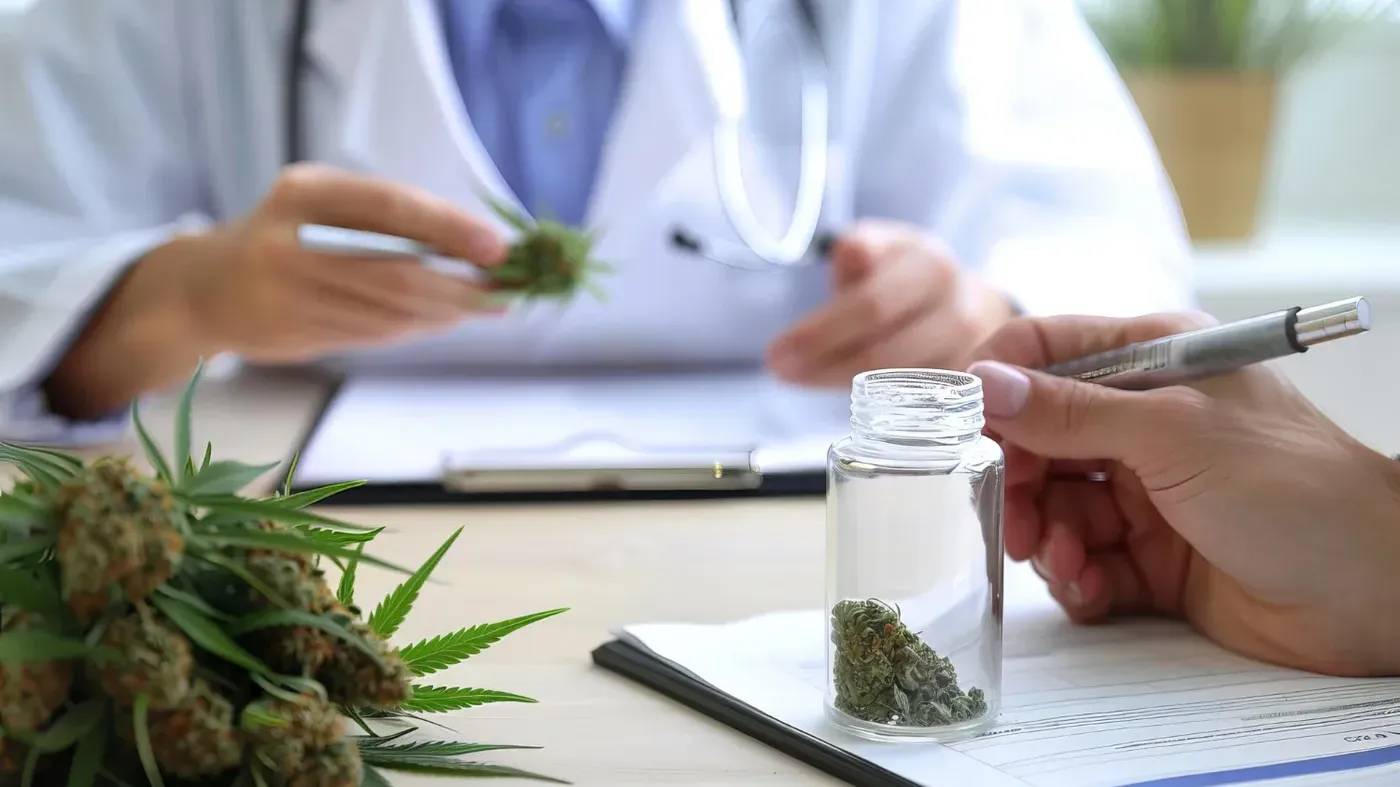
These educational experiences also illuminated the importance of individualized patient care. Every patient’s endocannabinoid system is unique, affecting how they might respond to cannabinoid treatments. This highlights the necessity for personalized medicine and the crucial role that medical cannabis training plays in honing the skills required to assess and cater to individual patient needs effectively.
Integrating Cannabis Competence in Practice
Armed with knowledge from medical hemp instruction, I began integrating cannabis consultations into my practice. Initially, there was apprehension — both on my part and from colleagues wary of how cannabis would be perceived within a traditional medical environment. However, the response from patients was overwhelmingly positive. Many had already encountered anecdotal evidence or were aware of friends and family benefiting from cannabis treatments but lacked credible medical guidance. This created an opportunity for me to step in as an informed advisor, offering evidence-based recommendations and dispelling myths. Moreover, patients who previously encountered challenges with conventional treatments found relief where other solutions had failed. Conditions such as chronic pain, anxiety, and certain neurological disorders responded positively to cannabinoid therapy, improving patient quality of life. These outcomes contributed to a more comprehensive understanding of patient care, blending traditional and modern approaches.
Implications for Modern Healthcare
Incorporating medical cannabis training into healthcare practices has broader implications. It propels the medical community towards a more inclusive understanding of treatment options. Empowering healthcare providers with the necessary education to consider alternative therapies encourages innovation while maintaining patient safety and efficacy standards. Furthermore, this integration fosters open dialogues between patients and healthcare providers, enhancing trust and treatment compliance. There are challenges, of course. The shifting legal status of cannabis and varying state regulations add complexity to its medical use. As professionals, we must navigate these hurdles while advocating for patients. It’s essential to remain abreast of legislative changes and align professional practices with permissible medical guidelines.
The Path Forward
As more healthcare providers engage with cannabinoid therapy courses, the overall healthcare system can benefit from a diversified therapeutic toolkit. The continued rise of credible resources, like those found at clinics specializing in cannabis therapy, will be instrumental in supporting professionals seeking to expand their expertise. To those considering this path, the transformative potential of medical cannabis training is undeniable. It not only enhances personal professional growth but also elevates the quality of care offered to patients. The knowledge gained from these programs empowers practitioners to lead with empathy and informed judgment, reinforcing the concept that learning is an ongoing journey, pivotal to evolving healthcare practices.
What is the potential impact of medical cannabis training on modern healthcare?
The integration of medical cannabis training into modern healthcare has the potential to revolutionize how patient care is approached across various medical fields. By equipping healthcare providers with knowledge about the therapeutic properties of cannabis, the medical community can expand its repertoire of treatment options, offering more comprehensive and personalized patient care. This transformation is particularly significant in managing chronic conditions that have been unresponsive to conventional treatments, such as chronic pain, epilepsy, and multiple sclerosis. Furthermore, medical cannabis training can influence the healthcare system by fostering a more inclusive and open-minded approach to treatment modalities. By understanding the benefits and limitations of cannabinoid therapy, healthcare professionals can engage in informed discussions with patients, thus enhancing the patient-provider relationship and potentially leading to better treatment adherence and patient outcomes. This shift could also inspire further research into cannabis-based treatments, encouraging innovation and the development of new therapeutic approaches.
How is medical cannabis training empowering modern day healers?
Medical cannabis training is empowering modern-day healers by providing them with the tools and knowledge necessary to incorporate alternative treatments into their practice confidently. As healers gain a deeper understanding of the endocannabinoid system and how it interacts with cannabis compounds, they become better equipped to personalize treatment plans that cater to individual patient needs. This empowerment enables healthcare providers to be pioneers in the integration of new therapies, challenging traditional treatment paradigms. Moreover, the expansion of their skill set through cannabis training helps healers address a wider range of health issues, offering solutions where conventional treatments may have fallen short. This creates opportunities for healthcare professionals to lead the charge in innovative care delivery, positioning them as trusted advisors and advocates for their patients’ well-being. In doing so, they strengthen the principles of holistic and integrative medicine, emphasizing a patient-centered approach that prioritizes health outcomes over rigid adherence to traditional medical dogmas.
What are the main benefits of receiving medical cannabis training for healthcare professionals?
Receiving medical cannabis training equips healthcare professionals with several key benefits that enhance their practice and professional growth. Firstly, it broadens their understanding of the pharmacological effects of cannabis and its potential benefits, enabling them to provide informed recommendations and guidance to patients considering cannabis-based treatments. This knowledge is critical in addressing patients’ questions and concerns and providing evidence-based advice that can improve patient outcomes.
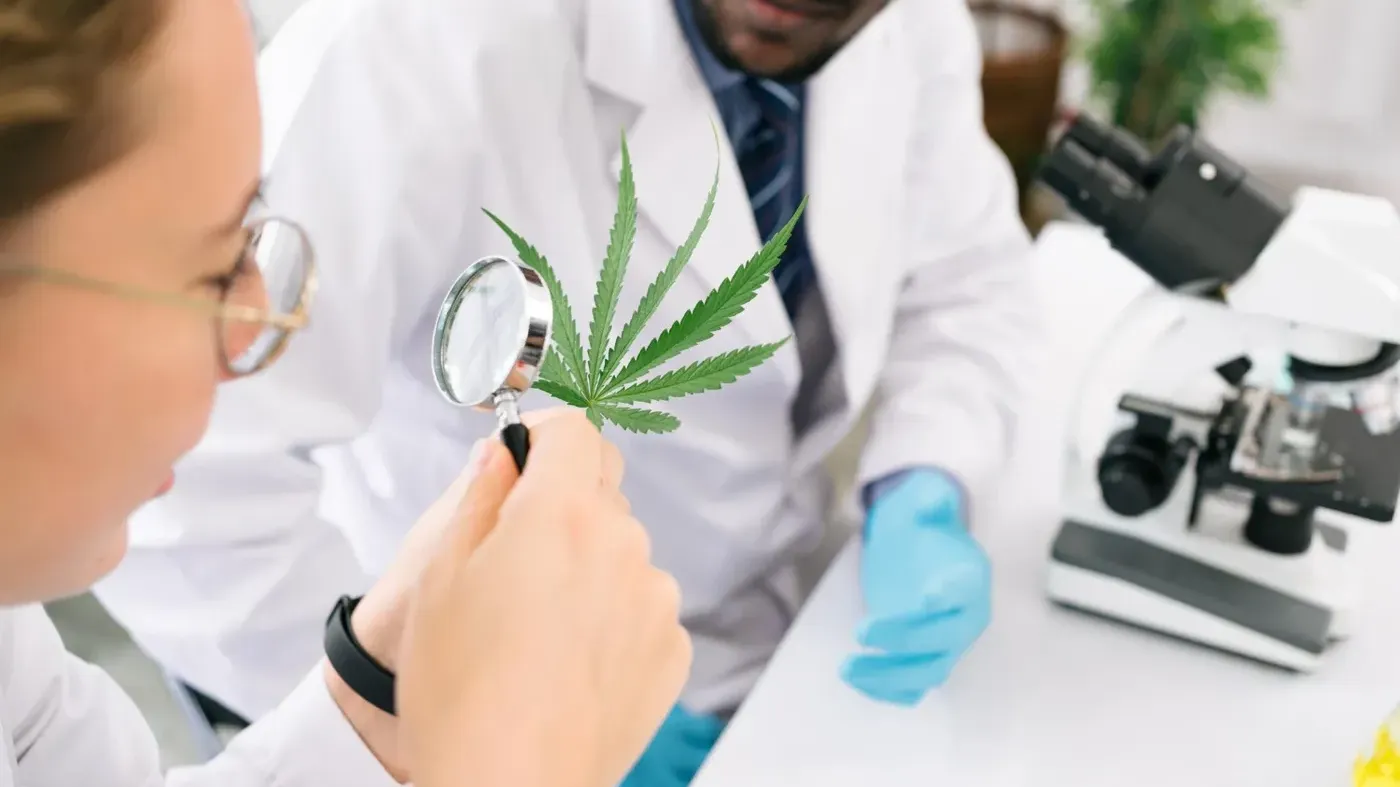
Additionally, medical cannabis training often emphasizes the importance of personalized medicine, helping professionals understand how individual variations in the endocannabinoid system can affect treatment efficacy. By developing this expertise, healthcare providers can tailor their approaches to meet the specific needs of each patient, fostering a more patient-centered and empathetic care environment. This adaptability not only improves patient satisfaction but also enhances the provider’s reputation as a knowledgeable and progressive practitioner.
What kind of changes can be expected in healthcare after more professionals receive medical cannabis training?
As more healthcare professionals receive medical cannabis training, several significant changes can be anticipated within the healthcare landscape. One of the most immediate changes is the increased acceptance and integration of cannabis-based therapies into mainstream medicine. This shift is likely to lead to a more balanced consideration of both conventional and alternative treatments, allowing for a more comprehensive approach to patient care. Moreover, the incorporation of cannabis training can lead to improved treatment outcomes for patients suffering from conditions that have been historically difficult to manage with traditional pharmaceuticals. By offering new avenues for symptom relief and treatment, healthcare providers can enhance patient quality of life and reduce dependency on more harmful medications, such as opioids. This trend could also prompt a reevaluation of current medical regulations and guidelines surrounding cannabis, possibly driving legal reforms that facilitate further research and development in this field. In conclusion, medical cannabis training has empowered me as a healthcare professional, broadening my ability to treat patients effectively and compassionately. As cannabis continues to weave into the fabric of modern medicine, embracing this knowledge ensures we are prepared to offer comprehensive, patient-centered care. By expanding our horizons through education, we fortify the healing arts, ultimately enhancing the health and well-being of those we serve.