Ample News
Easing the Twilight Years: How Cannabis Transforms Pain Management for the Elderly
The prospect of aging often brings with it the inevitability of chronic ailments and persistent discomfort. For many seniors, traditional pain management solutions have fallen short. Yet, an alternative is emerging as a beacon of hope: cannabis. As the aging population grapples with chronic pain, medical marijuana for seniors offers a promising avenue for relief. Embracing this change requires a deep understanding of both the benefits and the nuances associated with cannabis use in older adults.
Understanding the Role of Cannabis in Pain Management
Cannabis has been used medicinally for centuries, but only recently has its role in chronic pain relief among older adults been explored thoroughly. Cannabinoids, the active chemical compounds in cannabis, interact with the body’s endocannabinoid system to modulate pain and inflammation. This interaction is particularly beneficial for seniors dealing with arthritis, neuropathy, and other age-related conditions.
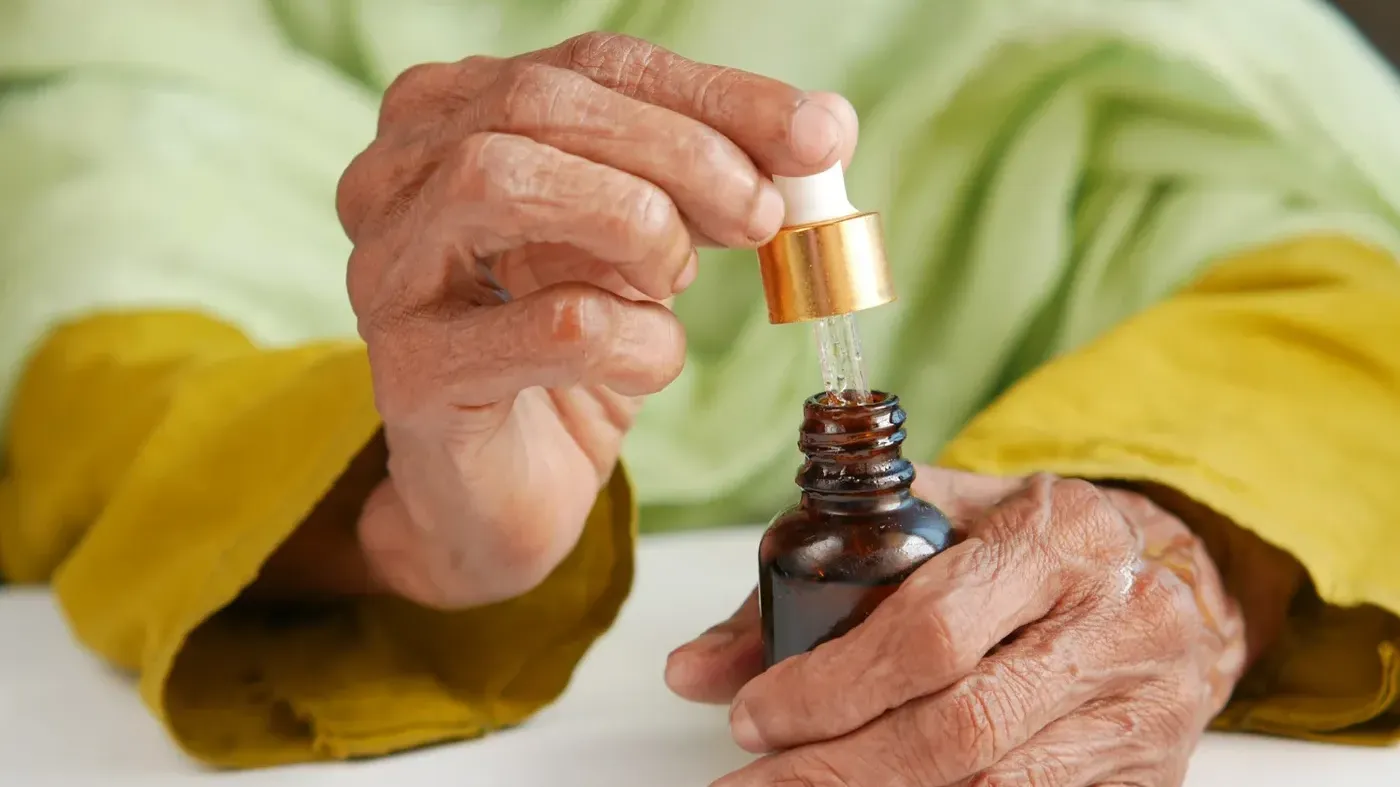
The Therapeutic Benefits for the Aging Population
For seniors, the therapeutic benefits of cannabis extend beyond mere pain relief. Traditional pain medication, such as opioids, poses significant risks of dependency and adverse side effects, something that medical cannabis may mitigate. Studies have shown that cannabis can reduce the need for these medications, leading to fewer side effects and an overall better quality of life. Moreover, CBD usage among the elderly has been associated with reduced anxiety and improved sleep, further enhancing the comfort and well-being of seniors.
Implementation and Accessibility
While the benefits are compelling, accessibility remains a hurdle. Many seniors are unsure of how to legally obtain cannabis products, especially those who wish to explore this option in a regulated manner. For those in Canada, there are specific pathways to explore. Learning how to apply for a cannabis license in Canada is a critical step for seniors and their caregivers, ensuring safe and legal access to quality medical cannabis products.
Addressing Concerns and Misconceptions
Despite its benefits, cannabis use in the elderly is not without potential concerns. Side effects such as dizziness, dry mouth, and interactions with prescription drugs need careful management. It’s essential for healthcare providers to work closely with seniors to tailor cannabis use to individual health profiles, taking into account any concurrent medications and health conditions. This personalized care model enhances safety and efficacy, offering peace of mind to seniors and their families.
How does cannabis aid in pain management for elderly individuals?
Cannabis offers a multifaceted approach to pain management that is particularly suitable for the elderly, primarily due to its interaction with the body’s endocannabinoid system. This system plays a crucial role in regulating pain and inflammation. As individuals age, their natural endocannabinoid levels decrease, making external cannabinoids from cannabis an effective supplemental source. For example, the cannabinoids THC and CBD, found in cannabis, have distinct yet synergistic effects. THC can alter pain perception by interacting with CB1 receptors in the brain, which helps in reducing the subjective experience of pain. On the other hand, CBD interacts with non-cannabinoid receptors to diminish inflammation and pain without the psychotropic effects associated with THC. This combination can be particularly effective for seniors suffering from conditions like arthritis, spinal stenosis, or fibromyalgia, providing a broader spectrum of pain relief than traditional medications alone.
What are the benefits of using cannabis for pain relief in the twilight years?
The benefits of using cannabis in the later stages of life extend beyond pain relief. First, it offers a degree of autonomy for seniors, allowing them to self-manage their pain in a way that aligns with their personal preferences and lifestyle. For those who may be hesitant to use traditional painkillers due to concerns about side effects or dependency, cannabis provides a safer alternative with fewer adverse effects. Furthermore, cannabis can enhance overall wellbeing. For instance, many elderly individuals experience co-occurring conditions such as insomnia or anxiety. CBD, a non-psychoactive component of cannabis, has been shown to improve sleep quality and reduce anxiety, thereby addressing multiple issues simultaneously. Additionally, the use of cannabis can lead to a reduction in the use of more harmful medications, such as opioids, thus decreasing potential for drug dependency and improving life quality.
Are there any potential risks or side effects of using cannabis for pain management in the elderly population?
While cannabis boasts numerous benefits, it’s important to acknowledge the potential risks and side effects, particularly for the elderly. Common side effects include dizziness, dry mouth, and fatigue. For older adults, who may already deal with mobility issues or dehydration, these effects could exacerbate existing health challenges. Moreover, cannabis can interact with other medications commonly prescribed to seniors, such as blood thinners or antidepressants, potentially leading to adverse reactions. Therefore, it’s essential that cannabis use is supervised by healthcare professionals who can tailor dosages and formulations to individual health profiles, ensuring that safety is prioritized. Finally, cognitive effects of cannabis, primarily related to THC, may include short-term memory issues or confusion. However, these effects can often be mitigated by opting for low-THC, high-CBD strains, which provide therapeutic benefits without significant psychoactive effects.
What research exists supporting the use of cannabis in alleviating pain for the elderly?
Research into the efficacy of cannabis for pain management in seniors is burgeoning. Studies published in journals such as the Journal of Pain Research have highlighted the potential of cannabis to reduce chronic pain and enhance quality of life. One notable clinical study found that over 90% of elderly participants reported a decrease in pain intensity and improved sleep following cannabis treatment. Additionally, research has explored the reduction in opioid use among seniors using cannabis. For instance, a study from the University of Colorado found that many patients reduced their opioid intake after incorporating cannabis into their treatment regimen, highlighting cannabis’s role as a supplemental or alternative pain management strategy.
Continuous research efforts are dedicated to refining our understanding of cannabis’s long-term effects in elderly populations, with clinical trials regularly being published, offering promising insights and fostering a shift in clinical practices towards more holistic, cannabis-inclusive approaches to geriatric care.
Cannabis: A Compassionate Approach to Elder Care
Incorporating medical marijuana into geriatric care showcases a compassionate progression toward holistic health management. As we seek to ease the twilight years, prioritizing the comfort and autonomy of seniors is paramount. The integration of cannabis into pain management plans signifies a shift towards more empathetic care, where the emotional and physical pain of aging are addressed in tandem. Looking to the future, ongoing research and clinical trials will further elucidate the long-term effects of cannabis use in seniors, continually refining its application in geriatric care. As more evidence becomes available, cannabis will ideally be embraced more widely, offering a viable, effective alternative for pain management.
Conclusion
In summary, cannabis stands as a transformative tool in the realm of pain management for seniors, garnering interest for its potential to alleviate chronic pain while enhancing life quality. Though challenges remain, the journey towards widespread acceptance and informed use looks promising. With continued research and informed application, cannabis for pain in the elderly could redefine the landscape of senior care, offering hope and relief to many. The twilight years, thus, need not be overshadowed by pain, but can instead be a period marked by comfort and dignity.