
Industry
Exploring Cerebral Harmony: Discover the Unconventional Best Cannabis Strains for ADHD Relief
Attention Deficit Hyperactivity Disorder (ADHD) can significantly impact daily life, making it challenging to focus, organize, and regulate impulses. While conventional treatments exist, an unconventional approach that is gaining interest involves the use of cannabis. This article explores how selecting the best cannabis strains for ADHD might offer relief to those seeking alternative solutions.
Scientific Explanation: Cannabis and the ADHD Brain
Cannabis interacts with the brain through the endocannabinoid system, which plays a role in mood, memory, and cognition. THC and CBD, the primary cannabinoids, have different effects. THC can potentially heighten energy and focus, whereas CBD is often noted for its calming effects. For those with ADHD, who may struggle with overactivity or impulsivity, the right balance of THC and CBD could theoretically modulate brain activity to aid concentration and reduce hyperactive symptoms.
Strain Profiles: Finding What Works for ADHD
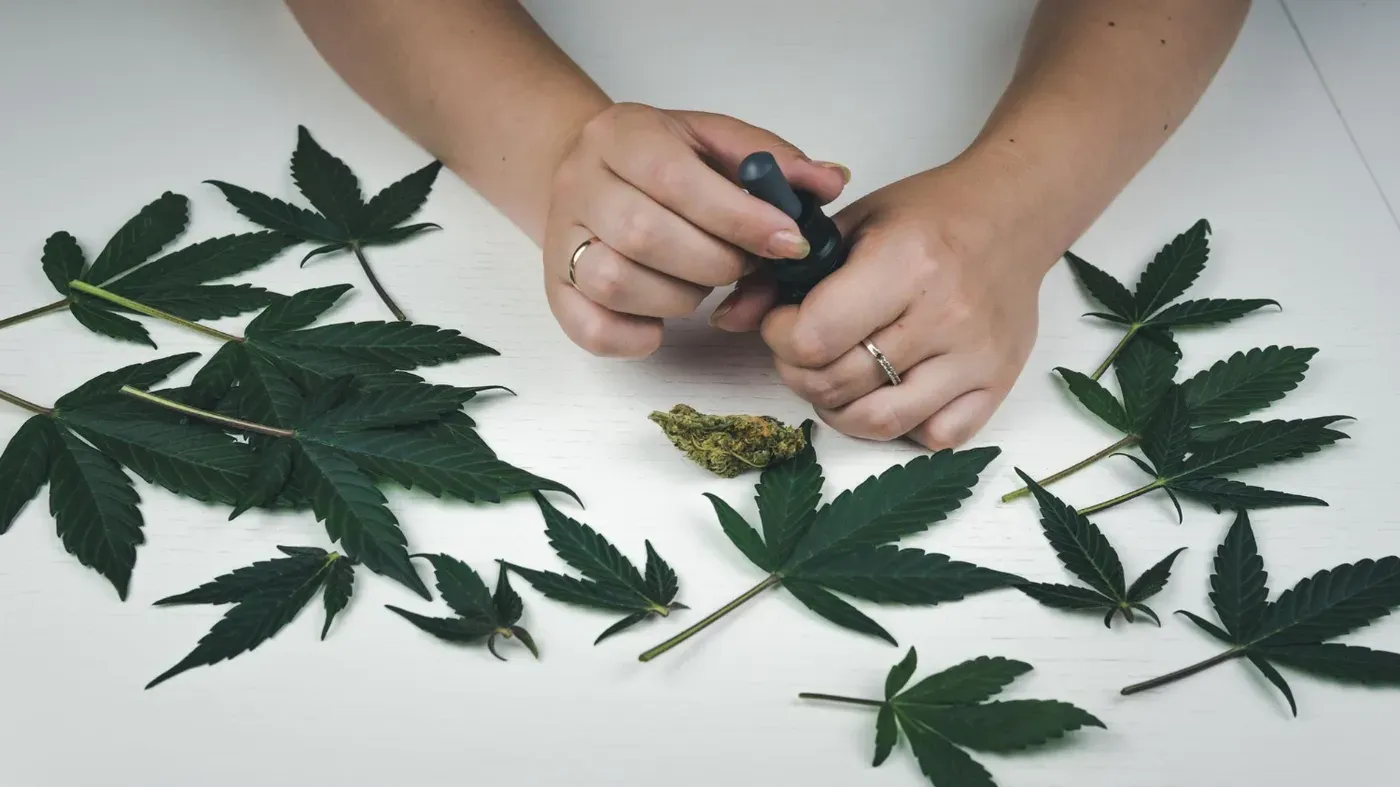
The quest to discover the top marijuana varieties for attention disorders necessitates understanding various strains’ profiles. Here are a few that have been informally recognized:
- Sour Diesel: Known for its invigorating and energizing effects, Sour Diesel is a sativa-dominant strain that may help with focus improvement.
- Harlequin: This strain has a higher CBD content, providing a milder psychoactive experience with calming properties helpful for maintaining concentration.
- Green Crack: Despite its intense name, Green Crack is celebrated for its ability to enhance creativity and mental acuity.
When selecting effective weed types for focus improvement, strains like these offer a diversity of options that cater to different needs and preferences.
User Testimonials: Real Experiences with Cannabis for ADHD
Anecdotal evidence is a valuable component of understanding cannabis’s impact on ADHD. Some individuals report that strains with balanced THC and CBD ratios help them focus better on tasks, while others find that more CBD-centric options like Harlequin offer gentle calming without causing sedation. These experiences highlight the subjective nature of cannabis use, underscoring the importance of personalized exploration.
Risks and Considerations
While cannabis might offer potential benefits, it’s not without risks. It may not be suitable for everyone, particularly those with a history of substance abuse or mental health issues. Side effects such as increased anxiety or paranoia can also occur, especially with high-THC strains. Thus, consulting with healthcare professionals is crucial to tailor decisions to individual health conditions and ensure safe use. Moreover, the complexity of ADHD symptoms requires a comprehensive approach, including lifestyle adjustments, traditional treatments, and possibly cannabis as an adjunct therapy. Clinical guidance is indispensable in crafting an effective regimen.
What makes certain cannabis strains more effective for ADHD relief than others?
The effectiveness of cannabis strains for ADHD relief largely hinges on the unique interplay between cannabinoids, terpenes, and individual biochemistry. Cannabinoids like THC and CBD are central to this process. High-THC strains might enhance focus through increased dopaminergic activity, which can be beneficial in mitigating ADHD symptoms that stem from dopamine dysregulation. However, the risk of anxiety and paranoia in sensitive users must be managed carefully. On the other hand, strains with higher CBD content tend to promote relaxation and reduce hyperactivity without significant psychoactive effects.
This can be ideal for individuals who find overstimulation problematic. Terpenes such as limonene, pinene, and linalool contribute further to these effects. Limonene is associated with mood elevation, pinene can enhance alertness, and linalool may provide calming effects. Ultimately, the synergy between these components, known as the entourage effect, dictates strain efficacy. The challenge lies in tailoring cannabis use to match individual needs, necessitating a personalized approach to strain selection and dosage.
Are there any potential side effects to using cannabis strains for ADHD relief?
Using cannabis for ADHD relief can present several potential side effects, and awareness is key to mitigating risks. Commonly, individuals might experience dry mouth, increased appetite, or drowsiness, but more complex reactions are possible, particularly with strains high in THC. Increased anxiety and paranoia are noted side effects, especially in individuals predisposed to anxiety disorders or when using strains with a high THC-to-CBD ratio. This psychoactive-driven anxiety can contradict the intended calming effects sought for ADHD management. Cognitive impairment and short-term memory loss are also reported, primarily linked to excessive THC consumption. Long-term use, especially among younger individuals whose brains are still developing, may pose risks to cognitive development and mental health. Hence, guidance from healthcare professionals is invaluable in formulating an approach that minimizes potential adverse effects.
Why are these considered the best cannabis strains for ADHD, and how do they work?
The strains identified as potentially beneficial for ADHD, such as Sour Diesel, Harlequin, and Green Crack, are esteemed for their specific cannabinoid and terpene profiles that align well with typical ADHD symptoms. Sour Diesel, known for its high THC content, may improve focus and energy levels, aiding individuals who struggle with lethargy and lack of concentration. Harlequin’s balanced THC and high CBD composition makes it ideal for calming without sedation, making it beneficial for reducing impulsivity and hyperactivity. It serves those who seek symptom relief without the high associated with THC-dominant strains. Green Crack, with its ability to enhance creativity and mental clarity, is often chosen for improving cognitive function and motivation. These strains demonstrate how specific cannabis profiles can cater to the varied and complex symptomatology of ADHD, offering a nuanced alternative to traditional therapies.
What should one consider while using unconventional methods like cannabis for ADHD relief?
When considering cannabis for ADHD relief, several factors warrant careful thought, starting with legal and regulatory considerations. Cannabis legality varies greatly across regions, impacting access and therapeutic application. Understanding local laws is critical to ensuring compliance and safety.
Consultation with healthcare professionals experienced in ADHD and cannabis use is essential. Such professionals can offer insights into appropriate strains, dosages, and potential interactions with other medications. Tailored advice helps mitigate the risk of adverse effects while maximizing potential benefits. Self-monitoring is also a pivotal component, as cannabis affects individuals differently based on a myriad of factors including genetics, tolerance, and personal health history. Keeping a detailed log of symptoms, strains used, and effects experienced can guide adjustments in regimen for optimal results.
Regulatory and Legal Context
The legality and accessibility of medical cannabis for ADHD vary widely. In regions like Canada, applying for a cannabis license is a structured process [link]. It’s essential to comprehend local regulations to access recommended hemp options for concentration legally and safely.
Conclusion: An Informed Approach to ADHD Relief
Exploring cerebral harmony through the use of cannabis requires careful consideration and a nuanced understanding of the individual needs and responses. As the interest in best cannabis strains for ADHD grows, it’s important to remain informed, be wary of the limitations, and always seek professional medical advice. With an open but cautious approach, cannabis might offer an avenue for some in managing ADHD symptoms, complementing a broader, tailored treatment strategy.