Industry
Unlocking Neurodiverse Potential: The Uncharted Synergy of ADHD and Medical Cannabis
In recent years, the intersection of ADHD and medical cannabis has emerged as a captivating frontier in alternative medicine options. As individuals and medical professionals explore new attention deficit solutions, an intriguing question arises: can medical cannabis play a role in unlocking the potential of those with ADHD? Understanding and addressing this question requires a careful examination of research, diverse perspectives, and legal and ethical contexts.
Understanding ADHD and Neurodiversity
Attention Deficit Hyperactivity Disorder (ADHD) is a neurodevelopmental condition characterized by symptoms such as inattention, impulsivity, and hyperactivity. Often misunderstood, ADHD is part of the broader concept of neurodiversity, which recognizes the diversity of human minds and advocates for acceptance and support of neurodivergent individuals. Viewing ADHD through this lens encourages more inclusive discussions about treatments and solutions.
The Role of Medical Cannabis in ADHD
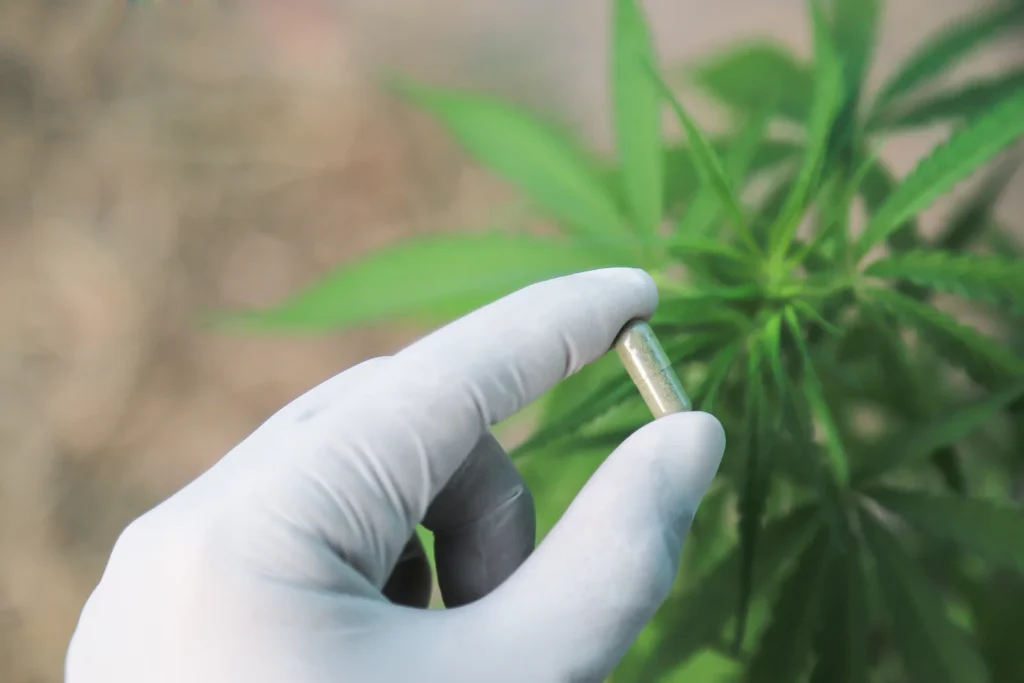
Medical cannabis, known for its potential therapeutic effects, is being explored as a possible treatment for ADHD symptoms. Some proponents suggest that cannabinoids like THC and CBD may help manage mood regulation, attention, and impulsivity. Yet, evidence remains divided, with research still in its early stages and often presenting mixed results about the efficacy and safety of cannabis use for ADHD.
How can medical cannabis potentially influence neurodiverse individuals with ADHD?
Medical cannabis potentially influences neurodiverse individuals with ADHD by interacting with the endocannabinoid system, which plays a pivotal role in regulating mood, memory, and cognition. Cannabinoids, particularly CBD and THC, are thought to modulate neurotransmitter release, thereby impacting attention, mood regulation, and stress responses.
For example, a neurodiverse individual with ADHD might experience heightened impulsivity and difficulty focusing on tasks. By using medical cannabis, particularly strains or formulations with a higher CBD to THC ratio, there may be a calming effect that could help manage these symptoms. This calming effect can ideally lead to improved focus and a reduction in hyperactive behavior, although these effects can vary based on individual physiology and the specific cannabis strain used.
What existing research supports the synergy between ADHD and medical cannabis?
Research on the synergy between ADHD and medical cannabis is still in developmental stages, but emerging studies shed light on its potential benefits. A 2017 clinical trial published in the Journal of Psychopharmacology noted that adults with ADHD reported improvements in hyperactivity and impulsivity symptoms when using a specific cannabinoid medication.
Moreover, anecdotal reports and small-scale studies have indicated that individuals with ADHD have found relief using cannabis, citing enhanced concentration and reduced anxiety. However, it is crucial to emphasize that these findings are preliminary, and larger, controlled studies are needed to establish definitive evidence. Research is also complicated by the variability in cannabis strains and cannabinoid concentrations, highlighting the need for standardized studies.
What potential side effects or risks might be associated with using medical cannabis for ADHD treatment?
The potential side effects and risks of using medical cannabis for ADHD treatment primarily revolve around the psychoactive properties of THC, which can lead to unwanted side effects. These might include increased anxiety, paranoia, or cognitive impairment, particularly in higher doses or with strains high in THC. Such effects can be counterproductive for individuals with ADHD, who may already struggle with anxiety and focus issues.
Additionally, there is a concern about the long-term impact of cannabis use on cognitive development, especially in younger individuals whose brains are still developing. There is also the risk of developing a dependency or cannabis use disorder, which must be carefully considered and monitored by healthcare professionals. Balancing these risks with potential benefits calls for a personalized approach under medical supervision.
What are some of the legal considerations or limitations for using medical cannabis as a treatment option for ADHD?
The legal landscape for medical cannabis is complex and varies significantly between jurisdictions. While some regions have legalized cannabis for medical purposes, others still classify it as an illegal substance, which can restrict access and research opportunities. For instance, in the United States, cannabis remains federally illegal, although many states have enacted laws permitting its medical use under specific conditions.
Legal considerations also extend to prescription guidelines, particularly for minors with ADHD. Ethical issues arise when prescribing cannabis to young individuals, raising concerns about long-term health impacts and legal liability for healthcare providers. Patients and families must navigate these legal frameworks and consult with legal and medical professionals to ensure compliance with local laws.
For more information on the legal aspects, you can visit Ample Organics’ cannabis clinics, which provide insights into regulations and guidelines in various jurisdictions.

Practical Guidance for ADHD Management
For individuals and families considering medical cannabis as an ADHD treatment, a collaborative approach with healthcare providers is essential. Current neurodivergence treatments include medication, behavioral therapy, and lifestyle modifications, which may complement or substitute cannabis use. Consulting a healthcare professional ensures personalized and informed decision-making.
Moreover, medical cannabis should not be seen as the first-line treatment but rather as part of a comprehensive ADHD management plan. Maintaining open communication with medical experts can help tailor interventions to meet individual needs, potentially incorporating cannabis alongside established therapies.
Conclusion
The relationship between ADHD and medical cannabis remains an evolving field within neurodiversity and alternative medicine. While the potential synergy offers promising possibilities, it necessitates thorough investigation and careful consideration. By understanding and respecting diverse perspectives, fostering informed discussions, and adhering to legal and ethical standards, society can better support those seeking attention deficit solutions through this uncharted territory.