Industry
Beyond the Smoke: Unraveling the Complex Role of Medical Cannabis for Autism Therapy
Medical cannabis has emerged as a topic of intense interest and study, particularly regarding its potential role in treating autism. As parents and practitioners grapple with the challenges of autism spectrum disorder (ASD), the allure of medical cannabis for autism therapy is compelling. This growing interest stems from anecdotal evidence and emerging research suggesting cannabis could help manage some ASD symptoms. However, the complexities and nuances of cannabinoid therapy make it a subject requiring careful consideration.
Understanding Autism Spectrum Disorder
Autism spectrum disorder is a developmental condition characterized by difficulties in social interaction, communication challenges, and repetitive behaviors. The condition is incredibly diverse, with symptoms ranging from mild to severe. Traditional autism spectrum treatment includes behavioral therapies and various medications, but their effectiveness varies widely among individuals. This has led families to explore alternative treatments, such as cannabis-based interventions.
The Science of Medical Cannabis
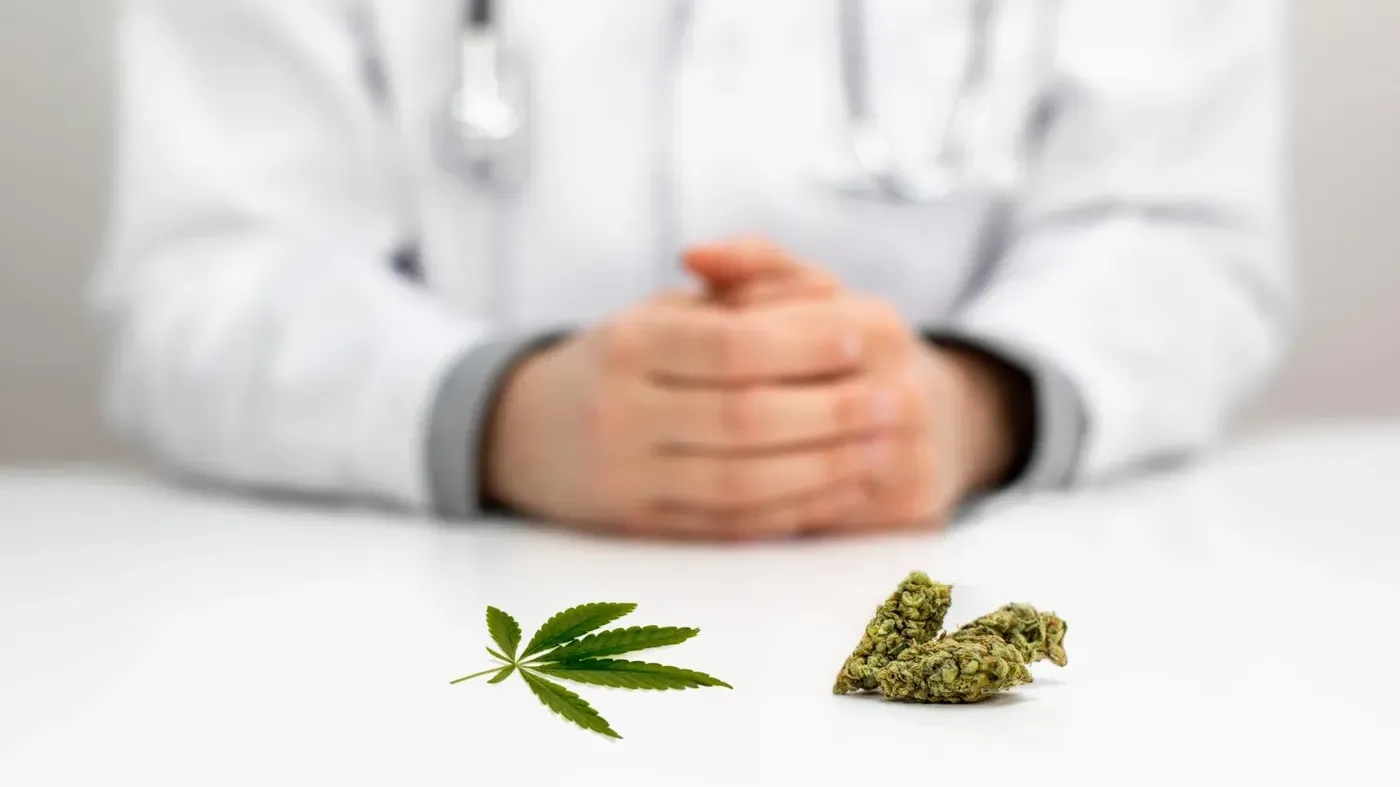
Medical cannabis is derived from the Cannabis sativa plant and contains numerous active compounds known as cannabinoids. The most well-known are tetrahydrocannabinol (THC) and cannabidiol (CBD). Unlike THC, which is psychoactive, CBD has garnered attention for its potential therapeutic properties without causing a “high.” In recent years, various studies have investigated the effectiveness of CBD oil on autism symptoms, reporting improvements in issues like anxiety, aggression, and communication.
Potential Benefits of Cannabis-Based Interventions
Proponents of medical cannabis for autism highlight several potential benefits. Cannabinoids may interact with the body’s endocannabinoid system, which plays a role in regulating mood, memory, and stress response. Anecdotal reports and preliminary studies suggest that cannabinoid therapy could reduce anxiety, enhance focus, and promote calmness in individuals with ASD. Furthermore, some parents have reported improved sleep and reduced seizures.
Challenges and Considerations
Despite the promising possibilities, medical cannabis for autism is not without its challenges. Scientific research is still in its infancy, and there is a pressing need for more comprehensive studies to understand the long-term effects and optimal dosing regimens. Moreover, the legal landscape surrounding cannabis is complex, varying significantly across regions, which can affect access and quality of treatment. For those in Canada, understanding how to navigate the cannabis licensing process is crucial. More information is available here.
Ethical and Legal Considerations
The use of cannabis in children and adolescents with autism raises significant ethical questions. The potential for side effects, such as cognitive impairment and dependency, cannot be overlooked. Additionally, the lack of regulation in some regions can lead to inconsistent quality, as not all cannabis products are equally well-tested for safety and efficacy. Hence, it is vital for caregivers and healthcare providers to work closely when considering cannabis-based interventions.
Current Research and Future Directions
Scholars are actively exploring the potential applications of medical cannabis for autism, striving to unravel its complexities. Current research is aimed at understanding its effects on neurotransmitter systems, which could highlight pathways for therapeutic intervention. There is also a significant interest in developing standardized cannabis-based products tailored to different ASD symptoms.
How can medical cannabis be beneficial for autism therapy?
Medical cannabis, particularly cannabidiol (CBD), has shown promise in alleviating some symptoms associated with autism spectrum disorder (ASD). One of the primary benefits is its potential to reduce anxiety levels. Children and adults with autism often experience high anxiety, which can exacerbate other symptoms. CBD’s interaction with the endocannabinoid system can help regulate mood and reduce anxiety, promoting a calmer state of mind. This reduction in anxiety can, in turn, help individuals engage more positively in social interactions and educational or therapeutic activities. Another significant area where medical cannabis may offer benefits is in managing aggression and self-injurious behaviors. For some individuals with autism, these behaviors pose significant challenges and can lead to harm or social isolation. Early studies and anecdotal evidence suggest that cannabinoids might help in reducing these aggressive episodes, making daily life more manageable and less stressful for both individuals and their caregivers.
What is the complex role of medical cannabis in treating autism?
The role of medical cannabis in autism therapy is multifaceted and complex, primarily due to the intricate nature of autism spectrum disorder itself. Autism manifests in numerous ways, affecting communication, behavior, and sensory processing. Therefore, the therapeutic effects of cannabis can vary significantly among individuals. For example, while some may experience reduced aggression or anxiety, others might not notice significant changes in these areas but could benefit from improved sleep patterns. This complexity is further compounded by the various cannabinoids present in cannabis, each with potentially different effects. While much attention focuses on CBD, other cannabinoids like THC or CBG (cannabigerol) might also play roles in treatment, albeit their effects and safety profiles in children are less understood. This requires personalized approaches to therapy, with healthcare providers carefully tailoring cannabinoid formulations to the individual’s specific symptom profile and monitoring their effects over time.
Are there any risks associated with using medical cannabis for autism therapy?
As with any treatment, there are risks associated with using medical cannabis for autism therapy. One significant concern is the potential for cognitive impairment, particularly with cannabis products containing THC. Children and adolescents are more susceptible to the psychoactive effects of THC, which can affect cognitive development, memory, and learning processes. Therefore, products with higher CBD-to-THC ratios are generally preferred for treating autism to minimize psychoactive risks.
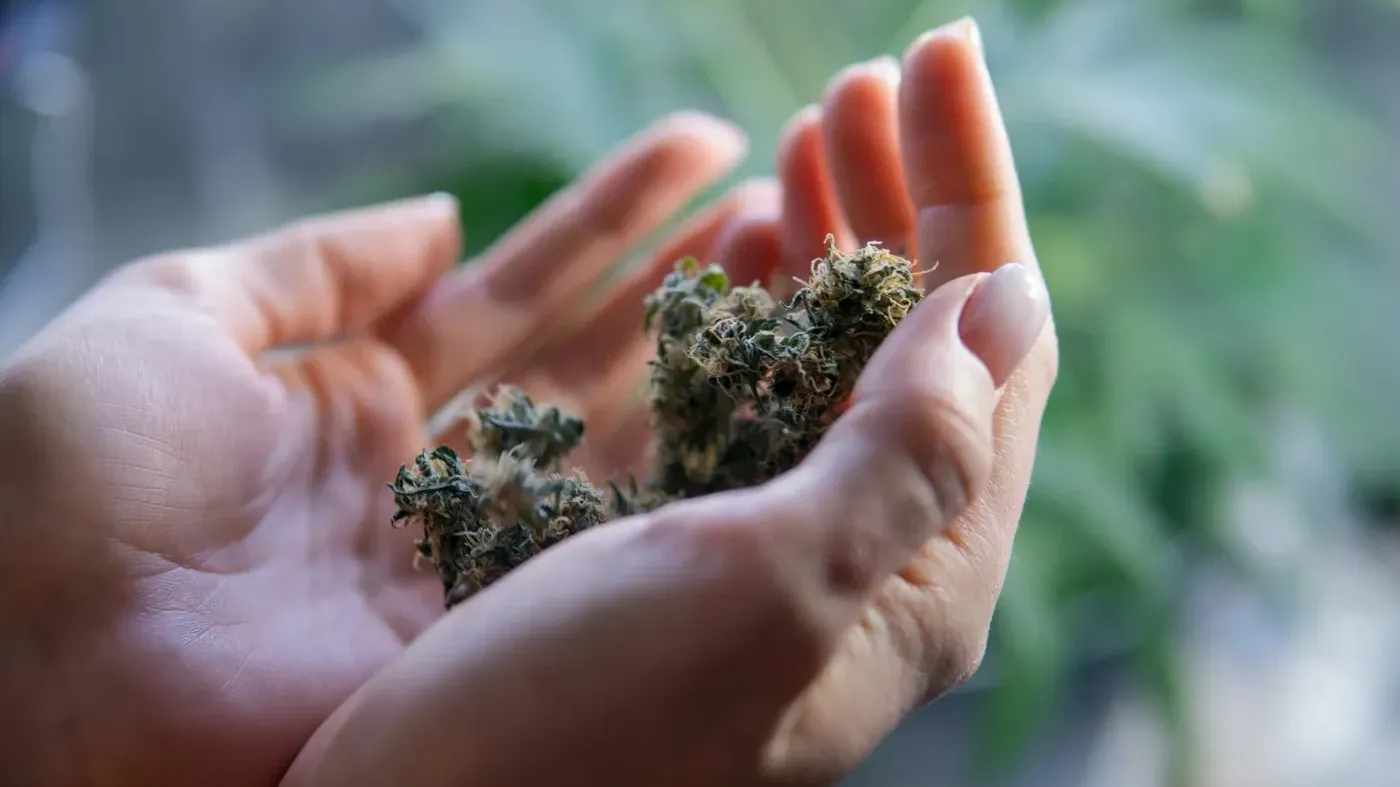
Dependency is another risk that warrants consideration. While CBD is not known to be addictive, THC can be, leading to dependency issues if not properly managed. The inconsistency in product quality due to varying regulations across regions also poses risks. Cannabis products may not always be consistently tested for potency and safety, leading to potential exposure to contaminants or incorrect dosages. It is crucial for parents and caregivers to source cannabis from reputable providers and maintain open communication with healthcare professionals to mitigate these risks.
What research is there on medical cannabis use for autism therapy?
Research into medical cannabis use for autism therapy is burgeoning, with several studies highlighting its potential benefits while also underscoring the need for more robust evidence. A small number of clinical trials have been conducted, primarily focusing on CBD’s effects on autism symptoms. For instance, a study published in the journal Frontiers in Pharmacology found that a high-CBD, low-THC formulation improved symptoms such as hyperactivity, sleep disorders, and anxiety in children with autism. However, the majority of research to date has been observational, relying on parent-reported outcomes and lacking the rigor of double-blind, placebo-controlled trials. This gap underscores the necessity for further research to establish standardized treatment protocols and better understand the long-term effects. Researchers are also exploring the biochemical interactions of cannabinoids with the brain’s neurotransmitter systems, paving the way for more targeted therapeutic interventions in the future.
Conclusion
In conclusion, while medical cannabis for autism presents a promising avenue for treatment, it must be approached with caution. The balance of potential benefits against the unknown long-term effects presents a complicated landscape for both families and clinicians. As research progresses, it is crucial to remain informed and to pursue treatment under professional guidance, ensuring that cannabinoid therapy is both safe and effective for those in need. By advancing our understanding, we can hope to uncover more concrete answers in the realm of medical cannabis for autism therapy.