
Industry
Navigating the Green Frontier: Unveiling Surprising Insights from Pioneering Cannabis Medical Studies
As the landscape of modern medicine continues to evolve, one green frontier stands at the forefront: cannabis therapeutics. Recent cannabis medical studies are shedding light on the myriad ways this plant is influencing health and wellness. From pain management to neurological protection, these pioneering studies offer surprising insights into how cannabis is being utilized in contemporary clinical research and medical practice.
The Evolving Role of Cannabis in Medicine
Historically shrouded in controversy, cannabis is now emerging as a focal point of scientific inquiry. Clinical research on marijuana has surged, with more than 500 ongoing studies exploring its potential medical applications. The primary focus areas include pain management, neurological disorders, and mental health treatment.
Recent findings have illuminated its efficacy in chronic pain relief, offering a potential alternative to traditional opioids. For instance, a comprehensive therapeutic cannabis analysis revealed that cannabinoids might modulate pain pathways, thus providing relief without the addictive potential of opioids.
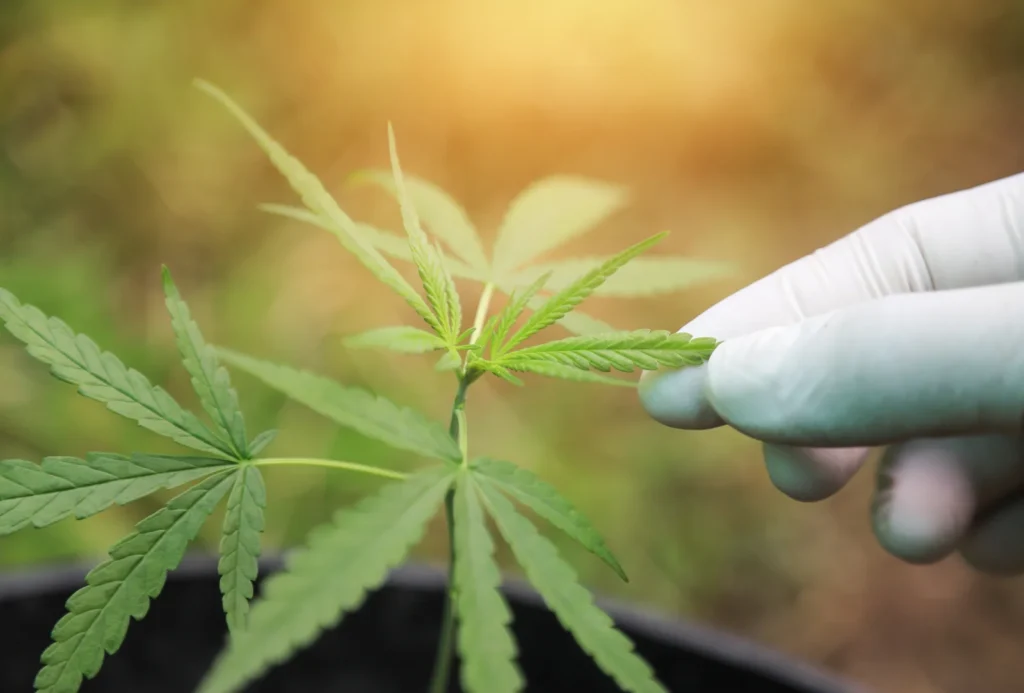
What are some surprising insights that have been discovered from pioneering cannabis medical studies?
Pioneering cannabis medical studies have revealed several surprising insights that challenge previous assumptions and open new avenues for treatment. For example, research has uncovered that cannabinoids can enhance the effect of certain cancer therapies. Cannabinoids have been shown to increase the sensitivity of cancer cells to chemotherapy, allowing for potentially lower doses of the chemotherapeutic agents, thereby reducing side effects.
Another unexpected finding involves the use of cannabis in treating autoimmune disorders. Cannabinoids have demonstrated the ability to modulate immune system responses, potentially offering a novel approach to managing conditions like rheumatoid arthritis and lupus. These insights suggest a broader impact of cannabis on the inflammatory processes that underlie many chronic diseases.
How is the medical field navigating the green frontier of cannabis research?
The medical field is navigating the green frontier of cannabis research through a combination of clinical trials, interdisciplinary collaborations, and advancements in pharmacology. Researchers are diligently working to map out the myriad effects of the plant’s compounds, particularly THC and CBD, across various medical conditions.
Institutions are forming partnerships with biotech companies to explore the pharmacokinetics and pharmacodynamics of cannabis. For example, universities are collaborating with pharmaceutical firms to create synthetic cannabinoids that maximize therapeutic benefits while minimizing psychoactive effects. Additionally, regulatory bodies are gradually putting in place more coherent frameworks to streamline research approvals, which helps navigate the complexities associated with cannabis study due to its varying legal status across regions.
What are the pioneering studies related to medical cannabis?
Several pioneering studies have set the groundwork for understanding the medical applications of cannabis. One notable study conducted by the University of California, San Francisco, investigated the effects of cannabis use in HIV-positive patients experiencing neuropathic pain. The study revealed a statistically significant reduction in pain compared to placebo, highlighting cannabis’s potential in managing pain without the risks associated with traditional painkillers.
Another groundbreaking study focused on the use of CBD in treating Dravet Syndrome, a severe form of epilepsy. Published in the “New England Journal of Medicine,” the trial demonstrated a significant reduction in seizure frequency, which was a pivotal moment for families affected by this devastating condition. These studies not only highlight cannabis’s therapeutic potential but also underscore the need for further rigorous research to optimize treatment protocols.
What potential breakthroughs have been revealed in the recent cannabis medical studies?
Recent cannabis medical studies have revealed potential breakthroughs in the treatment of anxiety and PTSD. Researchers are finding that certain ratios of CBD to THC can significantly alleviate symptoms of anxiety disorders, with minimal side effects compared to traditional anxiolytics. This is particularly promising for patients who have not responded well to conventional medications.
Additionally, studies are exploring the role of cannabis in neuroprotection, especially concerning Alzheimer’s disease. Preliminary research suggests that cannabinoids may help reduce the buildup of amyloid plaques in the brain, which are characteristic of Alzheimer’s. Such findings pave the way for potential cannabis-based interventions that could slow disease progression or improve cognitive function in affected individuals.
Exploring the Health Effects of Cannabinoids
The health effects of cannabinoids, including THC and CBD, are at the crux of ongoing research. Both compounds interact with the endocannabinoid system, which plays a crucial role in maintaining homeostasis in the body. Current studies indicate that cannabinoids could provide neuroprotective benefits, which may be pivotal in treating neurodegenerative diseases such as Alzheimer’s and Parkinson’s.
The intricate nature of these compounds suggests a need for more detailed studies. Tailoring treatments to individual needs could revolutionize how we approach conditions that have eluded traditional therapies. For more information on cannabis medical studies, detailed insights can be explored on platforms such as Ample Organics.

Challenges and Future Directions
Despite the promising findings, medical cannabis research faces significant challenges. Regulatory hurdles, variable legal statuses, and the complexity of cannabis’ chemical composition have hindered progress in some regions. Experts argue that standardized guidelines and comprehensive, long-term studies are essential to fully understand the impacts and safety of cannabis-based interventions.
Looking to the future, researchers suggest a focus on personalized medicine approaches. Genetic profiling, combined with detailed therapeutic cannabis analysis, could optimize treatment efficacy and safety. Greater collaboration between scientific bodies and regulatory agencies may pave the way for more robust and actionable insights.
Conclusion
As we navigate the green frontier, the surprising insights from cannabis medical studies reveal both vast potential and intricate challenges. This evolving field holds promise not only for enhancing individual health outcomes but also for reshaping the landscape of modern medicine. Continued exploration and collaboration in this domain may unlock new, effective pathways for treating complex health issues. In this pursuit, the systematic study of cannabis proves indispensable.