Industry
Cooking with Cannabis: Delicious Recipes and Decarbing Tips
Cooking with cannabis has transformed from a niche skill to a popular culinary exploration, enticing home chefs and foodies alike to experiment with this unique ingredient. Whether you are seeking to infuse your homemade creations with tantalizing flavors or harness the potential health benefits of cannabis, this guide is here to inspire and educate. Let’s dive into the vibrant world of cannabis-infused recipes with a focus on essential techniques like decarbing, cannabutter preparation, and mastering THC edibles dosage.
Decarbing: The Essential First Step
Before you can embark on your journey of cooking with cannabis, you’ll need to understand the process of decarboxylation, or “decarbing.” This crucial step involves heating the raw cannabis to activate its THC and CBD compounds, ensuring the maximum potency in your recipes. Simply spread your cannabis evenly on a baking sheet and bake at 240°F (115°C) for 30-40 minutes, stirring occasionally. This technique is foundational for creating effective infusions like cannabis oil and cannabis coconut oil.
Cannabutter Preparation and Beyond
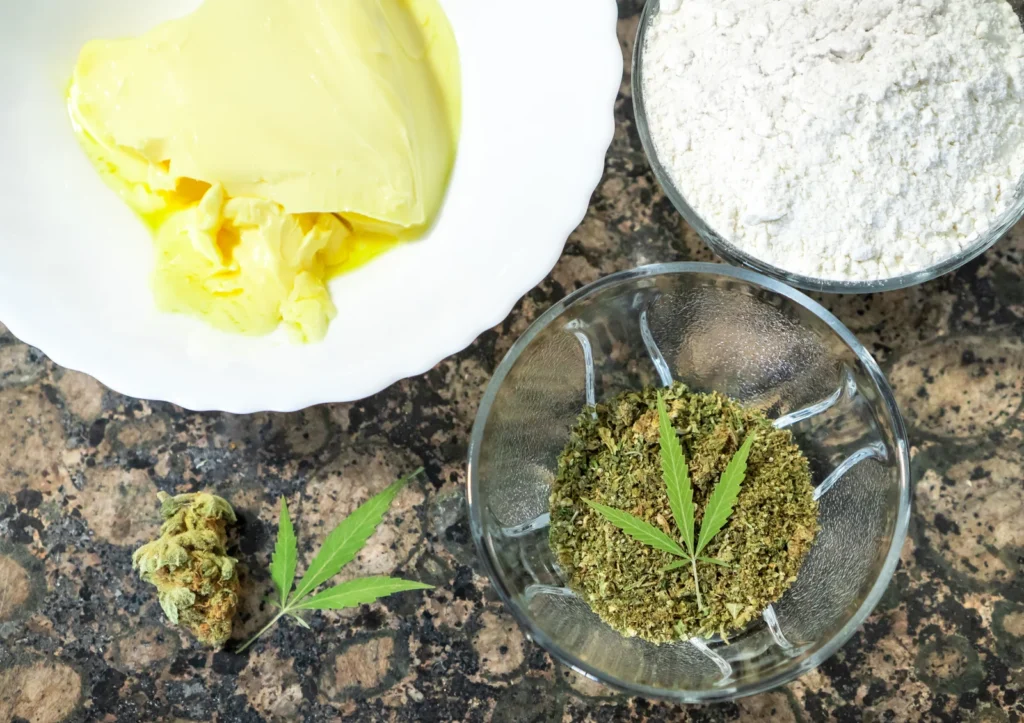
Cannabutter is perhaps the most versatile cannabis infusion, beloved for its convenience and adaptability in both sweet and savory recipes. To prepare cannabutter, simmer your decarbed cannabis with butter and water in a slow cooker or double boiler for 2-3 hours. Once strained and cooled, this aromatic butter can be used in a myriad of dishes, from baked goods to sauteed vegetables. Ever wondered, “Can I cook eggs with cannabis butter?” Absolutely! A simple scrambled eggs dish can be elevated with a touch of cannabutter for an unexpected twist.
Understanding THC Edibles Dosage
One of the most common concerns for novice cooks is getting the dosage right. When cooking with cannabis, it’s crucial to start low and go slow. Measure your cannabis carefully and calculate the THC content, considering the strain’s potency. This ensures you achieve the desired effects without overwhelming your senses. Remember, you can always consume more, but you can’t take it back once ingested!
Creative Ways to Use Cannabis Oil
Incorporating cannabis oil into your culinary routine opens up a world of possibilities. Substitute regular cooking oils with cannabis-infused oil for a subtle, earthy flavor in dressings, marinades, and more. Many ask, “Can I cook with cannabis oil directly?” Indeed, it works wonderfully for low to medium-heat cooking, ensuring you preserve its potency and unique flavors. Cannabis coconut oil also serves as a fantastic plant-based alternative for vegan and dairy-free dishes.
Cannabis Culinary Tips for Success
To make the most of your cannabis-infused creations, consider these culinary tips:
- Flavor Pairing: Cannabis can add complex flavors to your dishes. Pair it with robust herbs like rosemary, thyme, or garlic for savory dishes, and experiment with chocolate or citrus in desserts.
- Temperature Control: High heat can diminish potency. Opt for recipes that require low to moderate cooking temperatures.
- Testing the Waters: Always sample a small amount first to gauge the effects, especially if you’re new to cooking with cannabis.
Your Essential Guide to Cooking with Cannabis
Cooking with cannabis is an art that combines culinary skills with an understanding of cannabis chemistry. Here, I’ve compiled some frequently asked questions on this topic and provided expert answers to help you navigate the delicious world of cannabis cuisine.
What Are Some Delicious Recipes That Incorporate Cannabis?
Cooking with cannabis opens up a creative culinary landscape. Here are a few popular recipes:
1. Cannabis-Infused Butter (Cannabutter)
- Ingredients: Decarboxylated cannabis, unsalted butter, water.
- Method: Melt butter with water in a saucepan, add cannabis, and simmer on low heat for about 2-3 hours. Strain and chill.
- Use: Perfect for baking or as a spread.
2. Cannabis-Infused Chocolate Truffles
- Ingredients: Cannabutter, chocolate, cream, cocoa powder.
- Method: Melt chocolate and cream over low heat, mix in cannabutter, cool, shape into balls, and roll in cocoa.
- Use: A decadent dessert to impress.
3. Green Smoothie with Hemp Seeds
- Ingredients: Leafy greens, fruits, hemp seeds, CBD oil, almond milk.
- Method: Blend all ingredients until smooth. Add CBD oil to taste.
- Use: A healthy, refreshing start to your day.
4. Cannabis-Infused Olive Oil
- Ingredients: Decarboxylated cannabis, olive oil.
- Method: Combine oil and cannabis in a slow cooker, infuse for several hours, strain, and store.
- Use: Drizzle over salads or use in cooking.
What Are Important Tips to Remember When Decarbing Cannabis for Cooking Purposes?
Decarboxylation is the process of activating the cannabis compounds through heat. Here’s how to do it correctly:
- Temperature: Preheat your oven to around 230°F (110°C). Too high a temperature can degrade THC and other cannabinoids.
- Duration: Spread the cannabis evenly on a baking sheet and heat for approximately 30-45 minutes, stirring occasionally.
- Aroma Considerations: This process releases distinct odors, so ensure your kitchen is well-ventilated.
- Quality: Use high-quality, properly cured cannabis to ensure the best flavor and potency in your recipes.

How Does the Process of Cooking Change the Effects of Cannabis?
Cooking with cannabis can alter its effects due to these factors:
- Decarboxylation: Activates THC-A into psychoactive THC, making it essential for experiencing the full effect.
- Absorption: When consumed as food, THC is metabolized by the liver into 11-hydroxy-THC, a compound that can produce stronger, longer-lasting effects than smoking.
- Onset and Duration: Effects from edibles take longer to onset (30 minutes to 2 hours) but can last 4-8 hours or more.
Are There Any Safety Considerations to Keep in Mind When Cooking with Cannabis?
Certainly, there are several safety considerations:
- Dosing: Start with a small amount of cannabis in your recipes to test potency. It’s easy to consume too much, leading to an uncomfortable experience.
- Presence of Minors: Ensure cannabis-infused foods are clearly labeled and stored away from children and pets.
- Cross-Contamination: Use separate utensils and storage containers to avoid accidental ingestion by others.
- Legal Regulations: Be aware of the laws governing cannabis use and possession in your area.
By embracing these tips and guidelines, you can create safe, enjoyable, and delicious cannabis-infused dishes. Remember to always start with low doses and listen to your body’s responses. Happy cooking!
Conclusion
Cooking with cannabis offers an exciting culinary adventure, allowing you to indulge in delicious recipes while exploring the plant’s potential benefits. By understanding the importance of decarbing, mastering cannabutter preparation, ensuring proper THC edibles dosage, and embracing inventive uses of cannabis oils, you are well on your way to mastering this unique craft. Whether you’re a seasoned chef or a curious beginner, these insights will empower your journey into the delectable world of cannabis cuisine. Enjoy experimenting and remember, the key is to enjoy the process as much as the results!